

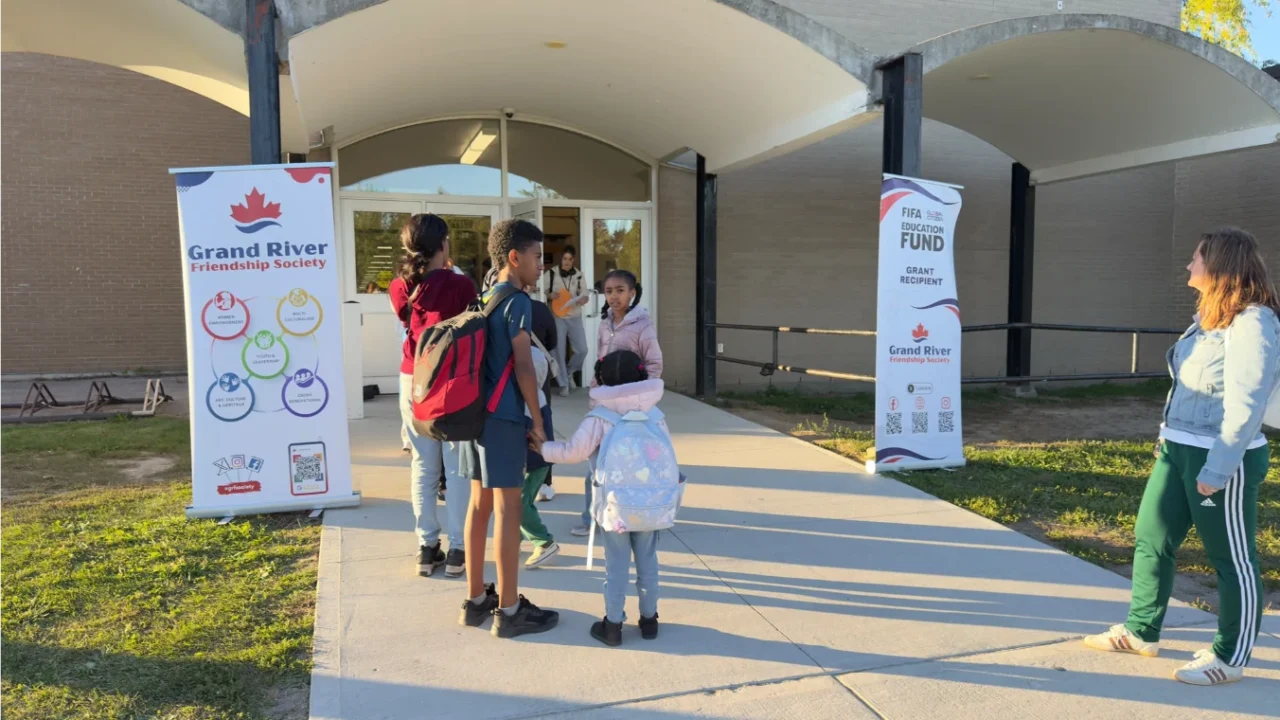
The Fall 2026 term of Football for Learning: Newcomer Youth Education & Empowerment Program is now underway, bringing together sport, academic support and mentorship to help children and youth strengthen their skills, confidence and sense of belonging.
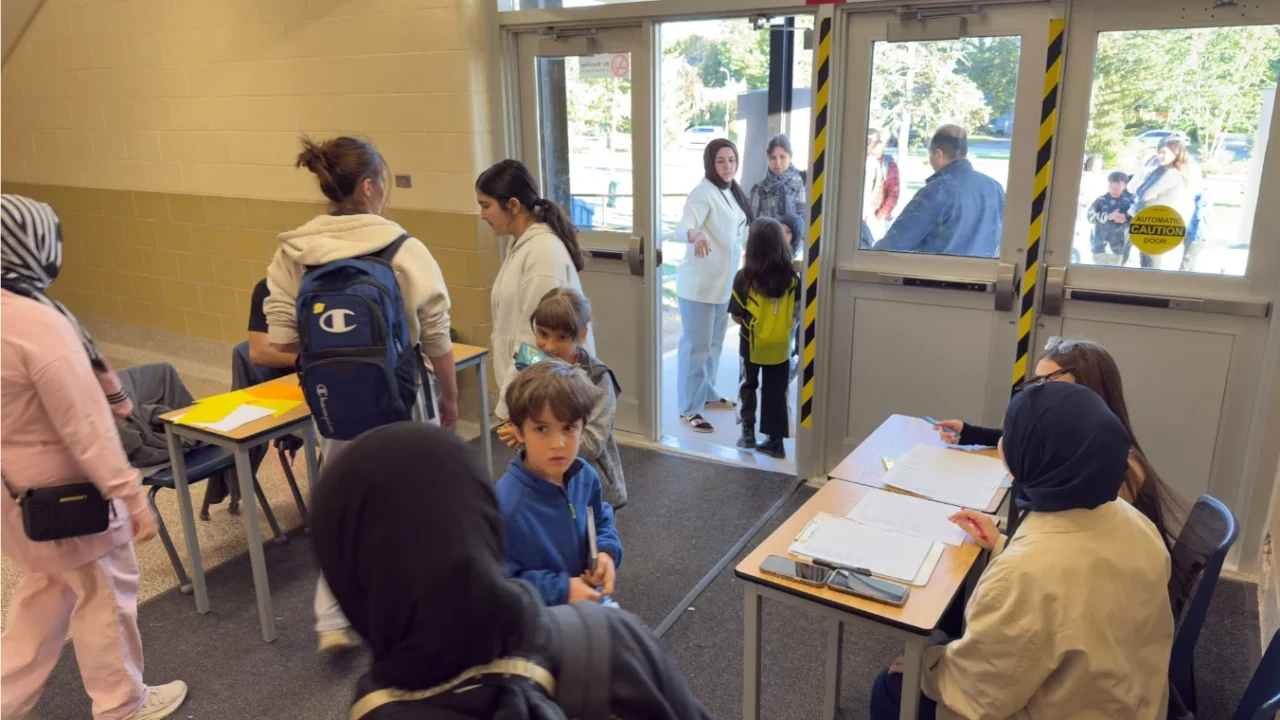
Led by Grand River Friendship Society (GRFS), the program has already received 385 registrations for the Fall 2026 term.
The educational component has been underway for the past two weeks through both online and in-person learning, and the next stage of the program is now beginning. Starting October 2, 2026, students will also participate in indoor sport sessions at RIM Park and West High Public School, bringing the sport and education components of Football for Learning together for the Fall term.
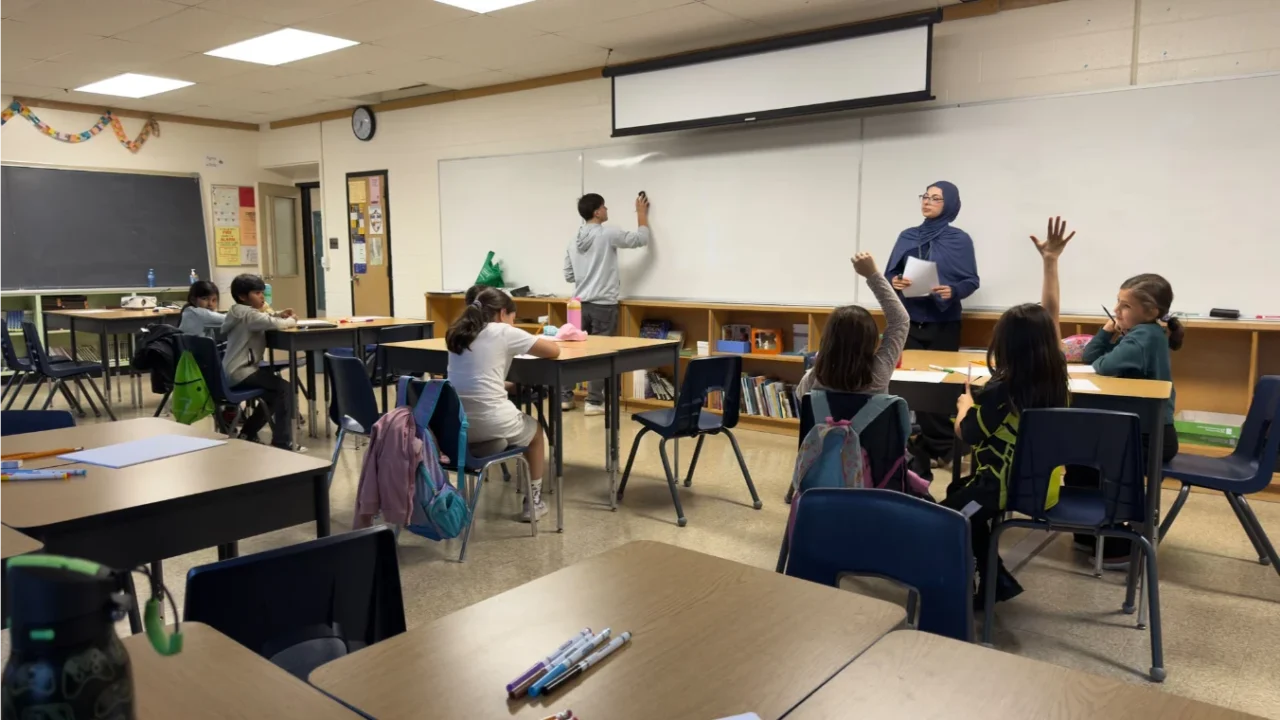
While football creates opportunities for young people to be active, build friendships and develop teamwork, the educational component of Football for Learning is equally central to the program. Students are participating in online and in-person academic support, with learning opportunities designed to complement what they are studying at school.
Supporting Students From Grade 1 to Grade 12
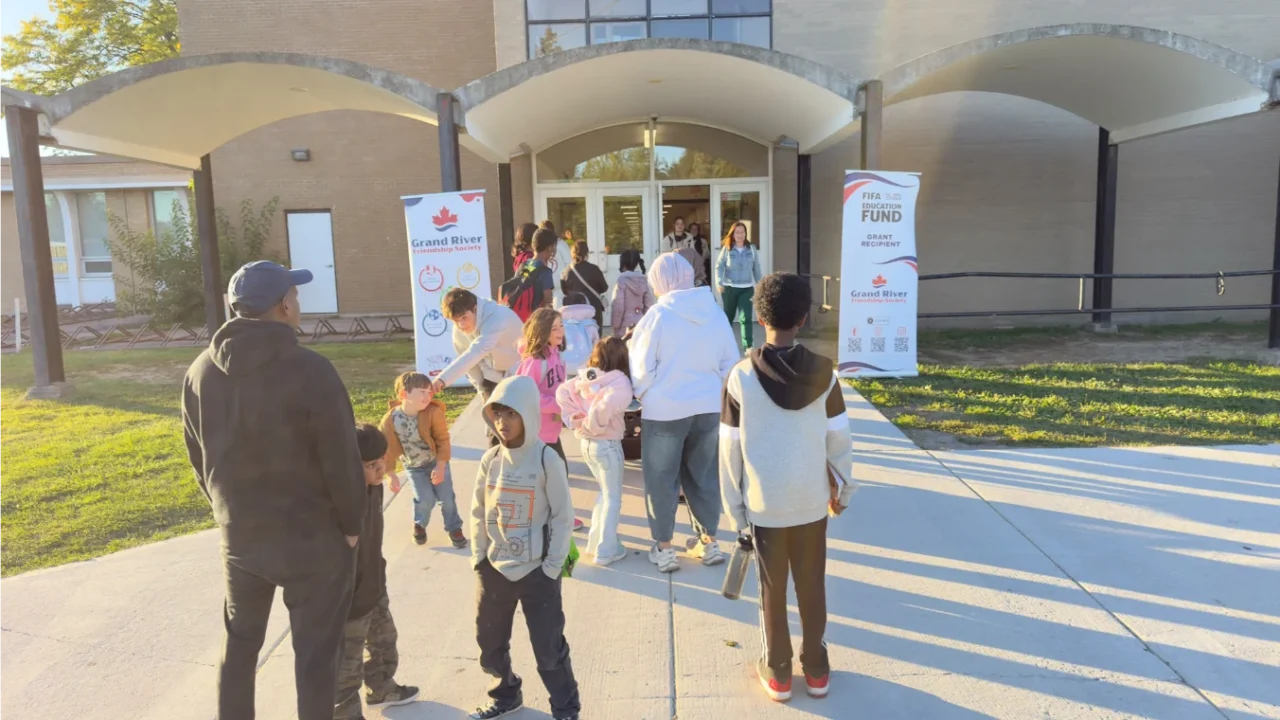
Our education program provides academic support for students in Grades 1–12, with a particular focus on Math, English and Literacy, Science, homework support and foundational learning skills.
Our goal is not simply to provide additional lessons. We want students to have a supportive environment where they can ask questions, revisit concepts they may find challenging, practise at their own pace and receive guidance based on their individual learning needs.
During sessions, students may work on current school assignments, review classroom concepts, strengthen foundational skills or focus on subjects where additional practice would be helpful.
For younger students, instructors also incorporate age-appropriate activities and learning exercises designed to keep students engaged and make learning more interactive.
More Than 12,900 Questions Answered in the First Two Weeks
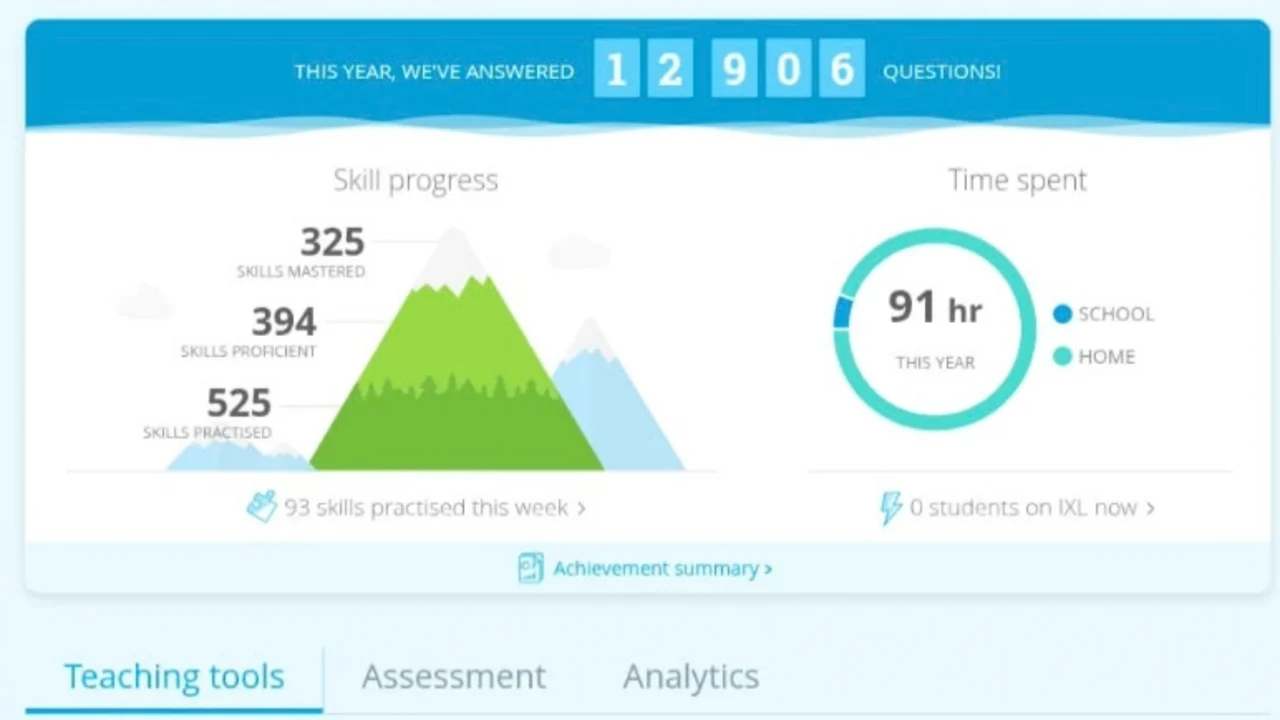
Technology is also playing an important role in the Fall 2026 education program.
IXL memberships have been created for the students, giving them access to structured practice across the subjects and concepts they encounter in school.
In only the first two weeks of the 12-week program, participating students have already:
- worked across 525 skills on IXL; and
- answered 12,906 questions.
These early numbers are encouraging, but for us, the value of IXL goes beyond the number of questions completed.
The platform allows students to revisit concepts, practise independently and continue learning outside scheduled instructional sessions. It also provides another way for our instructors to identify areas where students may benefit from additional support.
To encourage consistent participation and celebrate effort, Amazon gift cards will be awarded to top-performing students who complete the highest number of questions during the program.
The objective is to make practice engaging while encouraging students to develop positive and consistent learning habits.
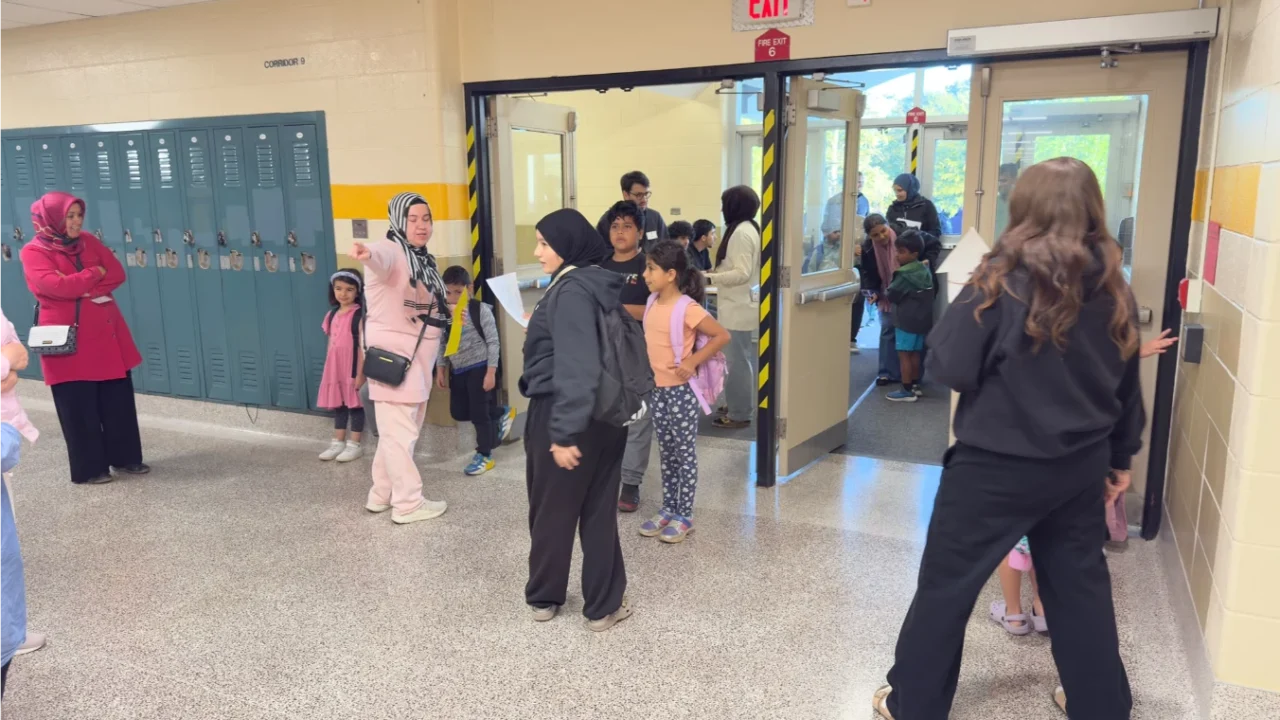
Online Learning Provides Additional Flexibility
A portion of our students are participating in academic support through Microsoft Teams, allowing them to connect with instructors from home.
Students receiving online support participate in two sessions each week, creating additional flexibility for families while maintaining regular interaction between students and instructors.
Synchronous online classes also allow instructors to work with students on essential concepts, answer questions in real time and provide targeted support as students progress through their schoolwork and IXL activities.
By combining structured digital practice with live instruction, we are working to create a learning model that extends beyond a single weekly class.
In-Person Classes at Forest Heights Collegiate Institute
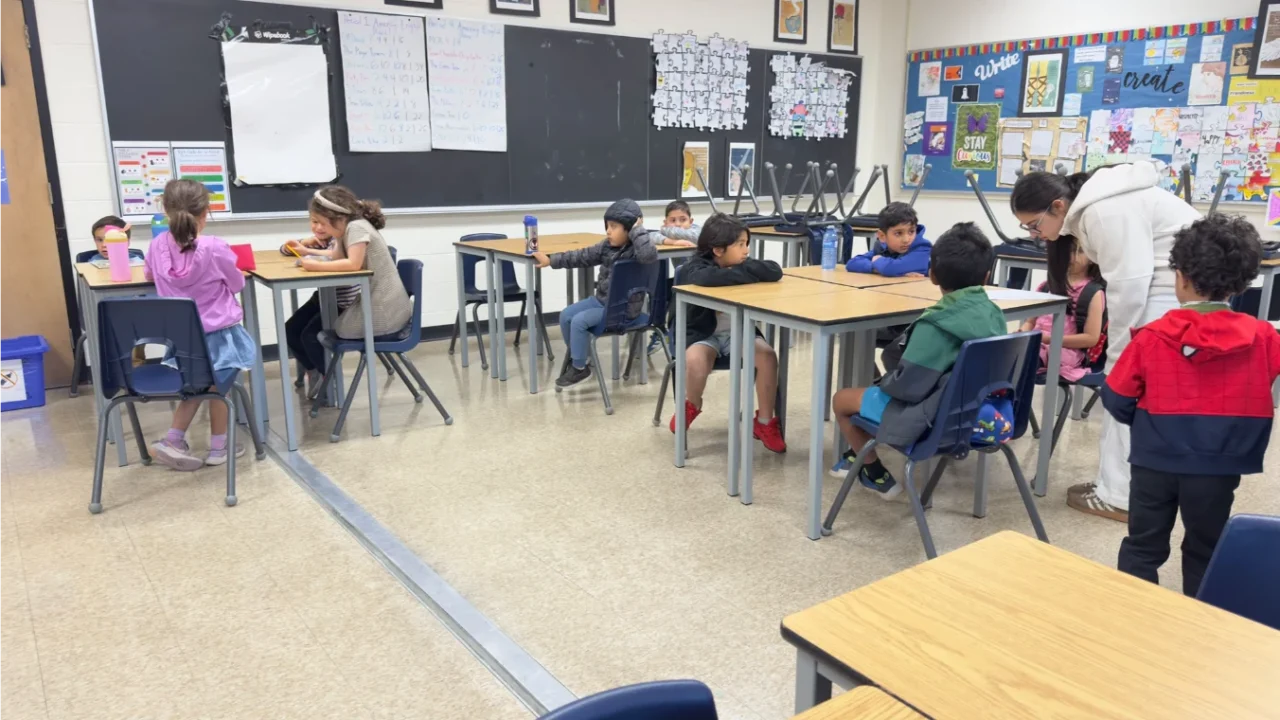
For students participating in the in-person component, classes are being held every Thursday from 6:30 p.m. to 8:30 p.m. at Forest Heights Collegiate Institute.
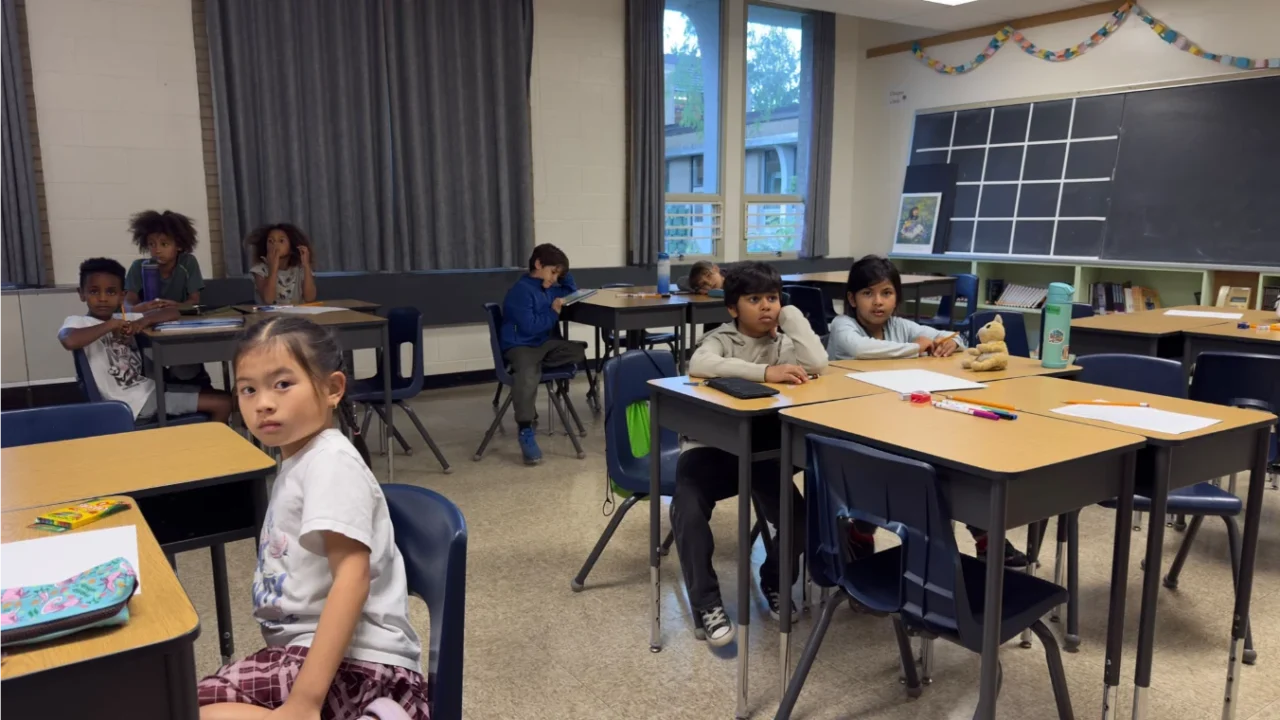
These two-hour sessions provide students with direct access to teachers, assistant teachers and volunteers who can work with them individually and in smaller groups.
Depending on student needs, sessions may include:
- homework support;
- grade-appropriate Math practice;
- reading comprehension and vocabulary development;
- English and writing support;
- Science review;
- worksheets and targeted exercises;
- small-group instruction; and
- individual academic support.
This flexible model is important because no two students arrive with exactly the same academic needs.
Some students may need help understanding a current classroom topic. Others may benefit from strengthening foundational skills or receiving additional practice in a particular subject.
Our role is to meet students where they are and help them continue moving forward.
The Sport Component Begins October 2
The Fall 2026 program is designed to connect learning with physical activity, teamwork and positive social development.
Beginning October 2, the sport component of Football for Learning will begin at the indoor fields at RIM Park and West High Public School.
These sessions will give participating students an opportunity to learn and play football in a structured and welcoming environment while developing skills that extend beyond the game itself.
Through football, students will have opportunities to strengthen teamwork, communication, discipline, perseverance, leadership and confidence while staying physically active and building relationships with other young people.
The combination of academic support and sport is an important part of the Football for Learning approach. Students are not simply participating in separate classroom and recreation programs. Instead, we are creating a connected experience in which lessons learned through sport can reinforce the habits and personal skills that also support learning.
As the Fall term progresses, the indoor sessions at RIM Park and West High Public School will operate alongside our online and in-person educational programming, allowing students to benefit from both sides of the Football for Learning model.
Learning From Our Students and Our Teachers
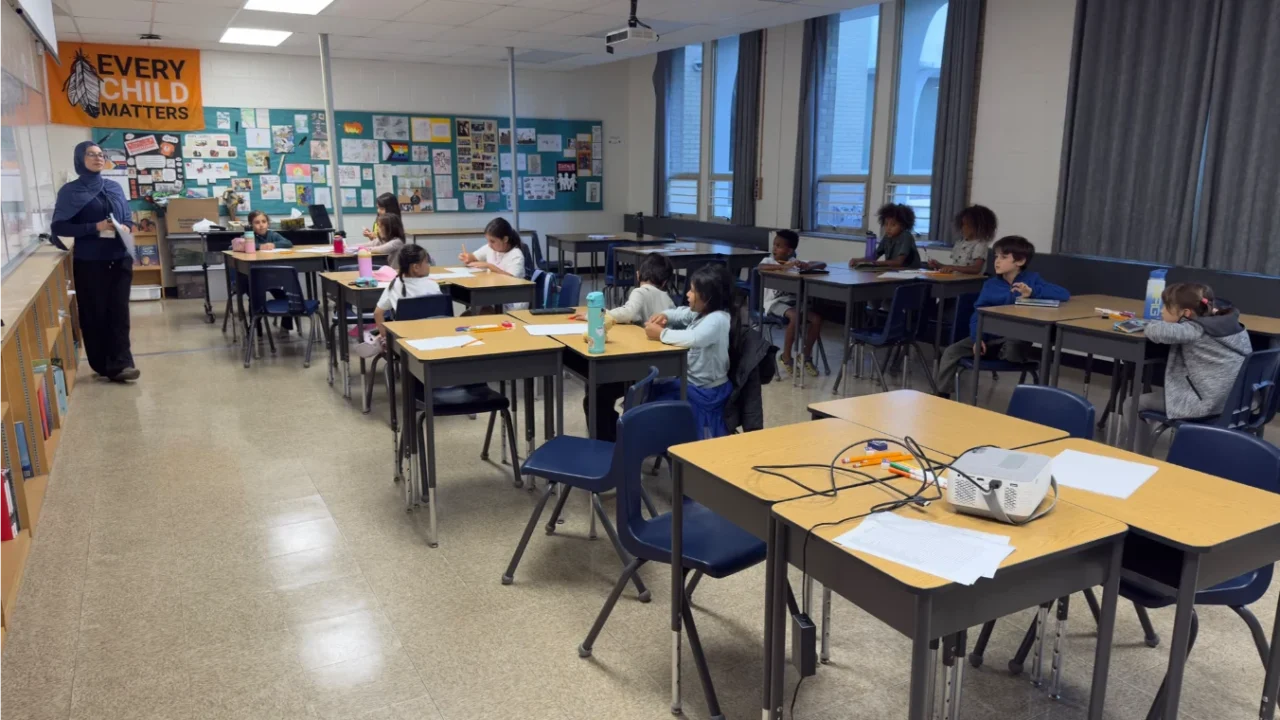
The first weeks of the program are also an important learning period for our team.
Following the opening sessions, we have been meeting with our teachers and reviewing how students are engaging with the program, the range of academic needs within each group and how our two-hour in-person sessions can be used most effectively.
Teacher observations are helping us continuously refine classroom organization, instructional approaches, homework support and small-group learning.
Rather than treating the program as a fixed model, we want it to remain responsive to the students participating in it.
As the 12-week term continues, these observations will help us strengthen the educational experience and ensure that our resources are being directed where students need them most.
Teachers, Assistants and Volunteers Working Together
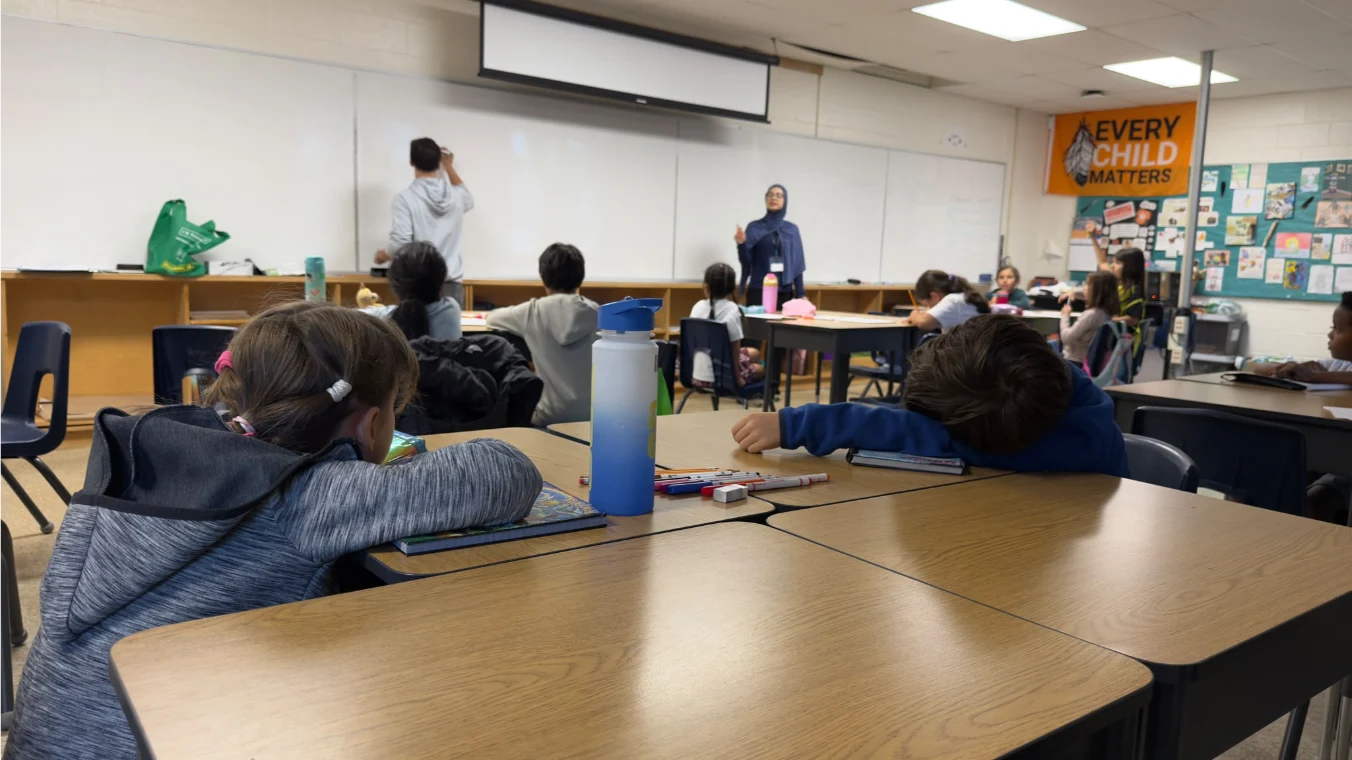
Our assistant teachers and volunteers are an important part of the learning environment.
They support students with homework and practice activities, work with smaller groups, encourage participation, assist teachers in the classroom, help prepare learning materials and share observations with instructors and program coordinators.
Their involvement makes it possible to provide more individualized attention while creating a welcoming learning environment for students at different grade levels and with different learning needs.
Just as importantly, we are working as a team to maintain a learning environment built on safety, respect, appropriate professional boundaries, confidentiality, child safeguarding and responsible communication.
Academic progress matters, but so does creating a space where children and youth feel comfortable asking questions, making mistakes and continuing to learn.
Football for Learning Is About More Than Football
Football for Learning was created around a simple idea: sport and education can reinforce one another.
On the field, young people practise teamwork, communication, perseverance, responsibility and confidence.
In the classroom and online, many of those same qualities help students become stronger and more independent learners.
By bringing these experiences together, we aim to support the whole young person rather than focusing on a single activity or academic outcome.
The Fall 2026 term is still in its early stages, but seeing students begin their weekly classes, log into their learning platforms, work through thousands of practice questions and build relationships with their instructors has already provided a strong start to the educational component of the program.
With indoor football sessions beginning on October 2 at RIM Park and West High Public School, the next phase of the Fall program will bring the two core elements of Football for Learning — education and sport — together in practice.
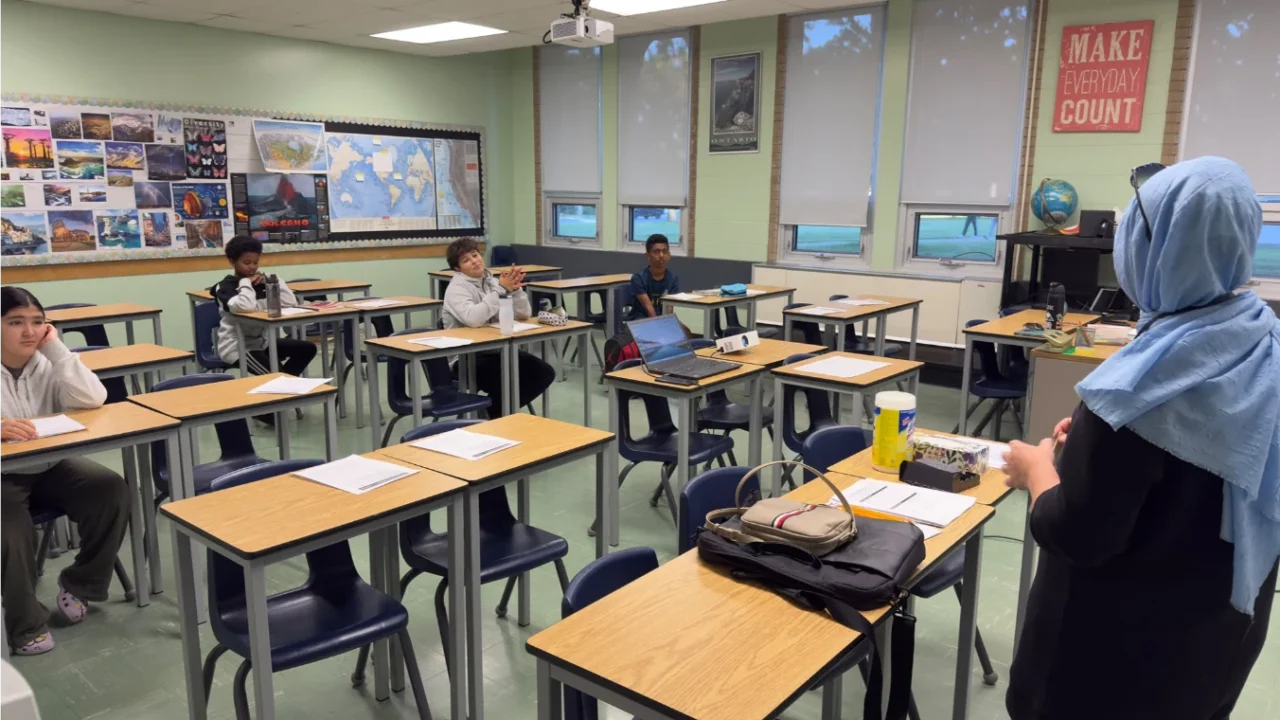
Over the coming weeks, we will continue learning alongside our students, listening to our teachers and families, and strengthening the program based on what our participants need.
We are grateful to the teachers, assistant teachers, volunteers, coaches, families and students who are contributing their time, effort and enthusiasm to Football for Learning.
Together, we are creating opportunities for young people to learn, participate, grow and belong.
Together, we learn. Together, we grow. Together, we build stronger communities.